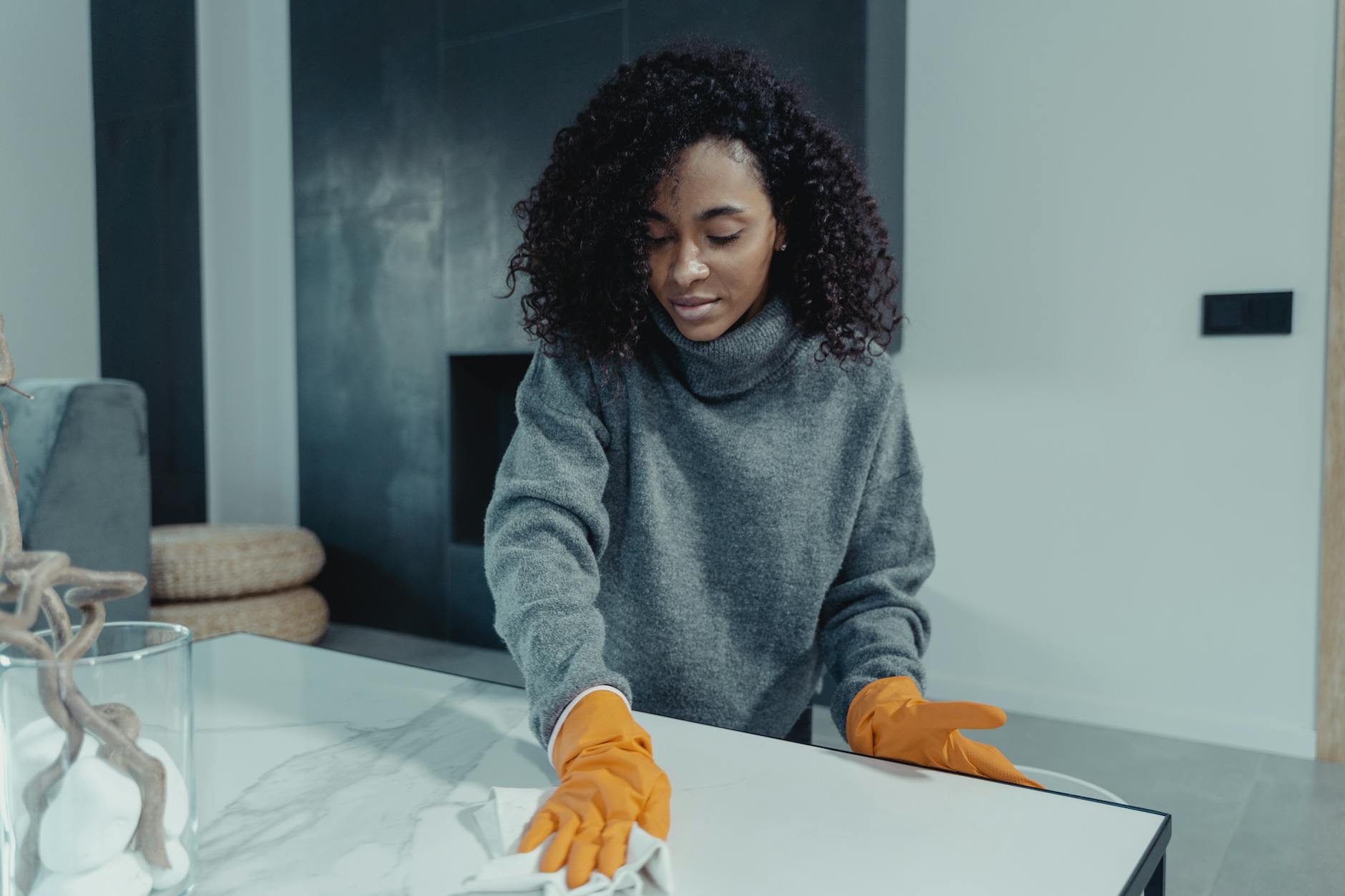
Washington Heights maid service. A lighter household list.
Your apartment has a rhythm of its own. Plan kitchen, bathroom and floor cleaning around the people who live there, with one clear request to The NYC Maid.
Washington Heights Maid Service is a service-information website operated by The NYC Maid. Booking requests and work applications go to that operator’s team. This neighborhood website does not claim a separate office, independent business, or separate review history. Confirm availability for the exact address.
01 / FIND YOUR CLEAN
House cleaning in Washington Heights. Start with your priorities.
Choose the kind of visit that fits the current condition of the property. A service label is a starting point; describe the actual rooms, surfaces, access and extra tasks so The NYC Maid can assess your request.
01
Apartment Cleaning
Start with the common rooms and accessible surfaces you want maintained. Describe the kitchen, bathroom, living area and any bedrooms that residents have agreed to include. Explain which rooms are private and whether someone will be working or resting at home. A practical scope is better than assuming every door is available.
For a first visit, explain the current condition and rank the tasks that matter most. Reachable buildup, bathroom residue and kitchen grease need a clearer description than a general request for a deep clean. Appliance and storage interiors should be accepted separately, with their preparation and material-care instructions agreed in advance.
Tell the operator whether the apartment will be empty and whether other residents or movers still need access. Identify which rooms belong to your handover and which remain occupied. Cleaning is separate from moving belongings, returning keys, repairs and any landlord decision about deposits. Share the actual checklist and deadline for review.
Discuss the frequency that fits current use rather than promising a permanent schedule before the first visit. Keep shared-surface work on a concise ordinary list and agree on occasional detail tasks separately. Update the contact, entry arrangement and room availability when the household changes; a repeat visit still needs current instructions.
Explain the times and spaces that must remain available for work. Reachable room surfaces can be part of a cleaning request without making computer care, paperwork sorting or equipment disconnection implicit. Put private documents away and identify a clear desk area. The resident decides which objects can be moved before surface work begins.
Use the online form to request a useful arrival window and a realistic essential list. A kitchen-and-bathroom focus may be more practical than an unrestricted apartment reset before guests arrive. Availability requires confirmation, and unusual or hazardous conditions need review rather than an assumption that a cleaner can be dispatched immediately.
Review the operator’s current pricing and appointment information before submitting. The booking process controls the selected service, supplies, duration, team size, payment and appointment terms. The online self-booking offer is a $10 saving on eligible visits; it is not a promise of a separate recurring discount. Confirm the terms shown for your actual request.
02 / WASHINGTON HEIGHTS APARTMENT PLANNING
An apartment that works for everyone at home.
A cleaning request in Washington Heights works best when the home’s shared spaces and private boundaries are clear. Whether you live alone, share an apartment or coordinate service with family, start with the actual rooms, the people using them and the access needed for the visit.
Use the address, not the nearest landmark
Washington Heights includes streets and buildings with different entrances and layouts. The city’s neighborhood assessment map identifies local streets and public destinations, but a neighborhood map cannot identify your unit or authorize entry. Give the complete street address, apartment number and the actual entrance the cleaner should use.
A familiar reference along Broadway or Fort Washington Avenue can supplement directions, but it should not replace them. If a building has more than one door or a side entrance, explain the appropriate route. Keep door codes and other private access instructions in the agreed appointment channel rather than on a public webpage or review.
Describe the stairs before choosing an arrival arrangement
If the apartment is a walk-up, state the floor and the number of flights. If there is an elevator, check the current building instructions rather than assuming access. Mention any equipment or supply arrangement that affects what must be carried. The point is to help the operator assess the actual visit, not to make a general rule about every Washington Heights building.
Keep the entry route and hallways clear. A pile of belongings moved out of a room still creates an obstacle if it blocks the path to the bathroom or kitchen. If someone needs to meet the cleaner at the door, agree who that is and when they will be available. Share an alternative contact only with that person’s knowledge.
Give common rooms one agreed list
Roommates may have different ideas about what a cleaning visit should accomplish. Settle the ordinary shared-room priorities before the appointment: the kitchen work surfaces, bathroom fixtures, accessible living-room dusting and floors you want included. Decide which additional tasks require a separate discussion and which rooms remain private.
A cleaner should not have to negotiate a disagreement between residents after arriving. One person can coordinate the working instructions without being allowed to make every decision for everyone else. If a resident has not agreed to bedroom access or handling of personal belongings, leave that space out until permission is clear. A payment arrangement alone does not settle those boundaries.
Make kitchen preparation a household decision
Clear the reachable work areas needed for accepted surface cleaning. Decide what should happen to food, dishes, personal appliances and paperwork before asking someone to clean beneath them. Do not expect the cleaner to infer which containers can be discarded or which items belong to a particular resident.
Oven, refrigerator and cabinet interiors need their own preparation and accepted scope. A shared kitchen may require more coordination because several people store food and belongings there. State who will empty the agreed interior, where its contents will go and whether the space will be available during the visit. Ordinary kitchen cleaning should not become an unplanned household sorting project.
Protect the daily bathroom routine
When a household shares a bathroom, discuss a practical order for its use and cleaning. Put personal products away where the accepted tasks require access. Identify fragile accessories and surface instructions. If someone needs the room at a particular point, tell the operator so the proposed sequence can be reviewed rather than interrupting the visit unexpectedly.
Describe visible residue and reachable fixtures without diagnosing the cause of a material problem. A damaged seal, active leak or persistent moisture issue belongs with the person responsible for repair. A cleaning request can describe the observed condition, but it should not make a cleaner responsible for resolving a building maintenance concern.
Let a bedroom remain a private room
Ask the person who uses a bedroom before including it. State whether the room is available for accessible dusting and floor work, and whether accepted bed making involves clean linens already laid out. Keep private papers, medication, valuables and personal collections out of unspoken handling expectations.
If a household wants only common spaces cleaned, say so clearly. An excluded bedroom does not have to become a source of conflict or an explanation of someone’s personal circumstances. A simple “bedroom two is excluded; keep its door closed” is a useful service instruction. The purpose is to identify the accepted work, not to document private household history.
Plan around someone working or resting at home
Let the operator know whether a room must remain quiet or available. Describe a sequence that could work: kitchen and bathroom first, a workspace after a meeting, or a private room left untouched. Ask whether the proposed arrangement fits the service rather than assuming that all work can be completed silently around an unrestricted schedule.
Preparing a workspace means putting private documents away and making accepted surfaces accessible. It does not imply permission to disconnect equipment, clean inside devices, reorganize files or move a working setup. The resident should decide which objects can be moved and how to leave the area ready before surface work begins.
Arrange cleaning for a relative with their agreement
A helpful offer should start with the resident’s choice to accept it. Ask which rooms matter to them, which objects must remain untouched and how they prefer to be contacted about practical questions. Name the booking contact, resident and entry contact separately if more than one person is involved.
Share only the information necessary for the visit. A cleaner needs to know whether an area is available, not the resident’s full personal story. Household cleaning does not include personal care, health assessment, medication management or keeping watch over someone. Arrange those responsibilities with the appropriate person rather than placing them inside a cleaning checklist.
Choose a useful first-visit focus
A first appointment can establish a manageable cleaning baseline without attempting every possible detail. Explain the current condition and identify the essential rooms. If there is a substantial gap since the last cleaning, say what has accumulated and where. A list such as “kitchen grease around the cooking area, bathroom residue and accessible floor routes” is more useful than an undefined request to make everything new.
Keep a second list for optional or future work. Appliance interiors, prepared storage and extra detail should be discussed in terms of access, time and accepted scope. If the available appointment cannot accommodate the whole plan, a ranked list makes it possible to agree on a meaningful part rather than leave the priority order to chance.
Use a current contact and a current confirmation
Before the visit, check that the entry person is available and the instructions still describe the building. Update changed room availability, pets, supplies or material information. Do not assume that a message sent to one resident has been passed to everyone else who needs it.
After submitting online, read the status and the appointment confirmation. A question by text is not a reservation, and a preferred time in a request is not necessarily an accepted arrival arrangement. If a detail remains uncertain, ask the operator directly. Keep the agreed work and any later change together so the household can review the same information.
Your online booking request goes to The NYC Maid. This website provides a way to prepare that request; it does not claim a separate neighborhood business, independent office or guaranteed local vacancy. Use the separate hiring link for cleaning work applications.
03 / PLAN THE VISIT
Book Washington Heights cleaning online. One clear request.
Give the exact property address. Include the unit, occupied levels, entry contact and the spaces you want considered. Mention access restrictions and any independently entered rooms.
Describe the current work. State the main purpose of the visit, the important rooms and the surfaces that need attention. Put extra work such as appliance interiors in its own part of the request.
Make the supply choice. Review the available supply options in the operator’s form. Explain material-care instructions and products that cannot be used before an appointment is agreed.
Read the submission status. Check the date, scope, contact information and applicable terms. A submitted request is not a guarantee of a particular cleaner, start time or accepted checklist; rely on the appointment confirmation.
Book through the form, rather than treating a text conversation as a reservation. Questions and appointment support can go to the operator’s published contact route, but the online request keeps the address, service details and your notes together. For privacy, do not put door codes, payment details, identity documents or private resident information in a public review or website comment.
Cleaning is ordinary household surface work within the accepted checklist. It is not a substitute for hazardous-material assessment, pest treatment, mold remediation, sewage cleanup, repairs, care for a resident or pet supervision. Explain an unusual condition before requesting a visit. Do not make a cleaner discover a hazard after entry.
Shared kitchens, bathrooms and living rooms work better when everyone knows the cleaning plan. This reference helps residents decide what is available, who will prepare it and which decisions need agreement before a service appointment.
The following reference explains preparation, surface access and ordinary cleaning boundaries. These are planning examples, not a description of every home in Washington Heights, a confirmed service checklist or an estimate. Use the parts relevant to your property and ask the operator about uncertainty.
Choose Shared Priorities Before Adding Personal Projects
Start with the rooms and surfaces the household uses together. Identify which ordinary tasks would make the visit useful now, such as prepared kitchen surfaces, agreed bathroom fixtures and an accessible common floor. Then distinguish occasional work and private areas. A shared cleaning list is easier to follow when every resident understands its purpose.
Ask about practical restrictions before finalizing the request. A resident may need a workspace during a call or want personal storage kept closed. Those boundaries can coexist with useful cleaning elsewhere. Make the restriction recognizable rather than expect the cleaner to infer permission from a door position or the way belongings are arranged.
Give One Person the Accepted Version
Choose an authorized contact who knows the priorities and can communicate proposed changes through the operator. Several residents independently adding tasks can create a list no one has reviewed as a whole. One informed contact helps distinguish the accepted visit from ideas that remain future requests.
Keep personal organization with the person who owns the items. A cleaner should not decide which papers to keep, where clothing belongs or whether another resident wants something discarded. If organizational help is needed, request it specifically and ask about a suitable arrangement. The ordinary checklist can focus on prepared surfaces while those household decisions are handled separately.
Give Preparation Tasks to the People Who Can Actually Complete Them
Separate the household’s preparation from the cleaning work you want considered. Removing private papers from a counter, deciding what to discard and choosing where clothing belongs are household decisions. Cleaning the prepared accessible surface is a different task. Keeping both lists clear prevents an ordinary visit from beginning with sorting decisions no one has agreed to make.
Attach each preparation action to a person. One resident may clear the shared table, another may make the bathroom vanity accessible and someone else may collect loose items from the main floor route. The arrangement does not need to divide work equally or follow a fixed household rule. It needs to describe actions the people living there can reliably complete.
Use Locations, Not General Requests for Tidiness
Prepare the counter beside the sink is easier to recognize than make the kitchen nice. Use the same room and surface names in the preparation card and service request. If two residents use different names for the same room, resolve that before the visit. The cleaner should not have to reconstruct the household’s terminology at each doorway.
Choose an excluded stable holding area for items removed from accepted surfaces. Avoid moving the same pile into the next room on the checklist. Keep the equipment location and walking route separate. The purpose of preparation is a workable area, not a temporary arrangement that becomes more obstructed as the visit progresses.
If an action is unfinished, update the actual condition before the appointment. A smaller accessible scope can still be useful when assessed honestly. An unchanged ready-apartment description can create expectations that the available working area does not support. Your preparation list should improve accuracy, not pressure anyone to claim the home is ready when important surfaces remain occupied.
Build a Shared Kitchen Routine Around Accessible Working Surfaces
Begin with the counter areas, sink and agreed exterior appliance surfaces the household uses regularly. Decide which parts will be cleared before a visit and which remain occupied. A prepared worktop can be a defined task. A surface covered with personal equipment, food and papers requires decisions before its cleaning area can be understood.
Describe heavier condition when it affects the request. A kitchen used for frequent cooking and one used lightly may have the same room label without the same workload. The operator needs the actual condition behind the label. If the sink and cleared counters matter most, state that priority rather than expect someone to infer it from the order of rooms on a form.
Keep Food Decisions With the Household
Residents decide what is retained, discarded or moved temporarily. An unlabeled container may belong to someone who is not present, so appearance is not a reliable disposal instruction. Agree on those decisions yourselves before asking for work inside an occupied area. A cleaner can assess an accessible surface without becoming responsible for the household’s food or storage choices.
Use readable material-care information where available. A product appropriate for one counter or fixture may not suit another finish. State uncertainty instead of expecting a surface to be identified by appearance. A clear instruction connected to its actual location is more useful than a broad request to use something gentle everywhere.
Keep the recurring kitchen list manageable. Appliance interiors and cupboard projects can be considered separately with their preparation and condition. An apartment routine should not silently grow to include every occasional task whenever a resident remembers it. Name the work you want assessed and compare the confirmed arrangement with the household’s essential priorities.
Agree on Appliance Interiors Before Someone Empties the Wrong Space
A refrigerator exterior, an empty refrigerator interior and an appliance containing several residents’ food are different requests. Name the interior you want considered and describe its current condition. Ask the operator what preparation is needed. The shared household should then decide who can complete that preparation and where retained contents will wait.
Keep the decision specific. The lower cupboard beside the sink or the microwave interior is easier to assess than the instruction to do all appliances and storage. A broad label can hide several handling tasks. Closed private storage can remain excluded even when other kitchen surfaces are included.
Check Ownership Before Moving Contents
One resident arranging a visit may not know what another wants retained. Confirm the household’s wishes rather than assume the person filling out the form controls every item. Mark uncertain contents outside the task until the responsible person has decided. This makes the interior request clearer and avoids turning cleaning time into a series of messages about personal belongings.
Explain known broken components, loose fittings or prior product use that affects the work. Ordinary cleaning does not establish repair or equipment servicing. The operator can assess a suitable accessible task while a maintenance concern stays with the appropriate property contact or provider.
At review, compare the completed work with the interior specifically accepted. An exterior kitchen checklist does not become an interior promise because a resident expected more. If another interior becomes important later, request it with its own preparation rather than treat it as automatically included in a shared routine.
Make Bathroom Use and Bathroom Cleaning Fit the Same Plan
List the fixtures and reachable surfaces requested in each bathroom. A vanity, toilet, shower or bath and accessible floor are distinct work areas. Describe whether personal items will be removed and whether cabinets stay closed. A room’s inclusion does not automatically settle every storage interior or handling task.
Residents should agree where toiletries and private items will wait. Medicines, toothbrushes and other personal belongings need the household’s own handling decisions. A prepared vanity gives the task a clear working surface. If the area remains occupied, describe the reachable portion or leave it excluded rather than assume everything can be moved without instruction.
Coordinate the Room’s Availability
If someone needs uninterrupted bathroom access, describe the practical restriction and choose a workable period. You can explain the need without sharing private medical or personal history. The operator needs a real room order, not a general request to keep every area available while every area is also being cleaned.
Explain leaks, damaged seals or deteriorated finishes before the visit where they affect the task. Ordinary cleaning does not repair an underlying problem. Contact the responsible person for that work and ask which suitable ordinary tasks can be assessed around any exclusion.
Use material instructions for actual fixtures and surfaces. A product labeled for bathrooms is not automatically appropriate for every finish present. Keep the accepted method clear and review the result as ordinary accessible cleaning. Existing wear or permanent marks may remain after surface dirt is addressed.
Give Private Spaces a Clear Boundary the Whole Household Understands
A bedroom, desk or closed drawer may be private even when the person arranging cleaning uses the rest of the apartment. Agree on permissions before submitting the request. A shared household checklist should not imply authority to open every storage space or move every resident’s possessions.
Name the boundary practically. Leave the desk drawer closed and clean only the cleared top is understandable. The cleaner does not need a private explanation of the contents. If several restrictions make an area difficult to interpret, a complete exclusion can be more practical for the current visit.
Prepare Personal Surfaces Personally
The resident who knows the items should decide where papers, clothing and valued objects wait. A cleaner should not choose filing locations, judge ownership or infer what can be discarded. If organizational assistance is needed, ask for a specific appropriate arrangement instead of hiding it inside an ordinary room label.
Keep private preparation items in a stable excluded location. Moving them to another included surface simply transfers the access problem. Tell other residents where the holding area is so they do not reorganize it during the visit and unintentionally block the next accepted task.
Use the accepted boundary at review. An excluded desk or room is not missing work. If you want it considered later, describe availability, condition and preparation in a revised or future request. Clear privacy boundaries can coexist with useful cleaning elsewhere in the apartment.
Keep a Shared Floor Route Accessible From Arrival to Departure
Identify the main route through the rooms included in the visit. Collect loose items you need to handle yourselves, such as shoes, bags, cables and small household belongings. Put them in an excluded stable location rather than ask the cleaner to choose where each item belongs.
Describe the accessible floor area honestly. Cleaning around furniture differs from reaching beneath a heavy cabinet or appliance. If a hidden area matters, explain the access needed and ask whether it can be considered before confirmation. Ordinary room cleaning should not imply unlimited moving or lifting.
Account for Different Materials
Where flooring changes at a threshold, identify any known care distinction. A product accepted for one surface should not automatically be carried into another finish. Keep supplied products labeled and care guidance readable. If the material is uncertain, state that rather than expect it to be diagnosed by appearance.
Plan necessary household movement during the visit. Residents and pets may need a route to a room while another area is addressed. Where the accepted method involves drying or handling time, follow the material’s guidance before crossing it, replacing rugs or moving furniture.
Keep preparation clear throughout the appointment. A route that starts empty but becomes filled with moved belongings no longer matches the accepted setup. A short shared note about where items wait and which doorway stays open can be more useful than a complicated plan no one follows on the day.
Separate Shared Living Surfaces From Displays and Personal Collections
A living area can contain a table, reachable floor, display shelves and upholstered furniture. Name the ordinary tasks you want considered for each. Accessible vacuuming, specialized fabric treatment and restoration are different requests. A single room label should not imply every possible treatment of every item within it.
Decide whether display objects remain in place, are moved by the household or form part of a specifically accepted handling task. The cleaner should not determine which item is valuable or fragile enough to leave alone. A clear furniture-surface boundary protects personal choices while allowing ordinary work around them.
Make Occasional Detail Deliberate
If you want an empty shelf considered, prepare the relevant section yourself and identify material instructions. Keep objects in a stable excluded place and retain their order in a way useful to you. An ordinary cleaning appointment is not collection management or specialist object treatment.
A product suitable for the cabinet may not suit the artwork or item sitting on it. Obtain appropriate care guidance where needed and leave uncertain objects untouched. Ordinary dusting does not establish conservation, repair or a promise to remove old marks from valuable possessions.
Review the area according to what was actually accessible and accepted. Hidden surfaces beneath objects left in place may remain unreachable. A broader future result needs preparation and a specific request rather than a stronger general instruction to be more thorough everywhere.
Fit a Home-Office Period Into the Household Room Order
If a resident works from home, decide whether the desk surface is included or excluded. Remove private documents from accepted surfaces and identify equipment that remains connected. A cleaner should not choose how files are stored or which cable can be unplugged to create access.
For the floor around the desk, make the intended route available without creating unstable equipment stacks or a new cable obstruction. Cleaning a furniture exterior does not establish cleaning inside electronic equipment or servicing a device. Keep those needs with an appropriate separate provider.
Give the Restriction a Real Period
A call or meeting should have a practical availability note, with another area ready for that part of the visit. A general instruction to be quiet throughout the apartment may leave no workable starting task. The operator can assess a sequence when the household provides real room use rather than an undefined expectation.
If a call runs late, communicate the changed restriction through the authorized contact. The cleaner cannot necessarily wait and complete the same list in less remaining time. A revision or exclusion may need agreement rather than an assumption that the appointment will extend automatically.
For repeat visits, keep only the relevant details on the preparation card. A named desk exclusion, supply location and actual availability period may be enough. The purpose is ordinary cleaning compatible with work and privacy, not a requirement to explain the resident’s entire professional schedule.
Make Bedroom Preparation Clear Without Adding Personal Sorting
Identify reachable floor space, cleared bedside tops and agreed furniture exteriors. A private drawer can stay closed while its prepared top is included. Use the room and surface names the household recognizes so the cleaner can follow the boundary without interpreting personal possessions.
Residents decide where clothing and other belongings belong before the visit. A cleaner should not judge which items are clean, used, unwanted or waiting for someone else. If sorting is unfinished, choose an excluded holding area or describe a smaller accessible task.
Request Bed and Linen Work Separately
Changing linen, processing laundry and cleaning the surrounding room are different tasks. Ask about a particular bed-related task explicitly and prepare the correct items if it is accepted. Identify the bed and any handling restriction. The cleaner should not search storage to choose the set or size the household intended.
If the room is being used for rest, provide a reliable available period or exclude it. Make supervision and personal assistance arrangements separately where needed. Ordinary cleaning does not establish those services or require the cleaner to decide when entry into an occupied private room is appropriate.
At review, use the accepted room checklist rather than every personal project still present. If the room needs a new storage arrangement, specialist fabric care or repair, keep that on the appropriate household list. A clear ordinary request can still be useful without resolving every bedroom decision.
Set Up Shared Supplies So the Right Item Can Be Found
If residents provide equipment and products, agree who checks the accepted items before the visit. A nonworking vacuum, missing attachment or product packed away elsewhere can affect an ordinary task. Tell the operator about the actual setup rather than assume a substitute can always be supplied on arrival.
Keep products labeled and connect special instructions to the relevant surface. A bottle chosen for one floor should not be assumed appropriate for every material in the apartment. An unmarked container should not be identified by guesswork or mixed with another product.
Use Specific Preferences
A scent or ingredient preference can be stated directly and assessed before confirmation. General words such as natural or gentle do not define a complete method or prove compatibility with an unfamiliar finish. Provide readable guidance and ask whether the actual restriction can be accommodated.
Choose one supply location that stays separate from temporary household storage. Keep it away from doorways and required walking routes. The cleaner should not need to open private cupboards or repeatedly move personal items to reach equipment.
If the supply arrangement changes between requests, update the operator. A previous visit does not establish that the same equipment is still available. A simple checked setup makes the next request more accurate without requiring an elaborate household inventory.
Keep Surface Instructions Short, Current and Connected to Their Location
Record the few materials whose care instructions matter to the requested work. A floor, counter, fixture or table may have a particular product requirement. Use known information and state uncertainty where necessary. Appearance alone should not become the basis for an improvised treatment.
If guidance from an installer or manufacturer is available, identify which item it concerns and keep the relevant part readable. A folder of unrelated documents does not make the actual method clear. Where the instruction cannot be established, leave the treatment out until suitable guidance is obtained.
Record Existing Conditions Before Work
A damaged edge, loose fitting or persistent mark can affect a task. Explain the condition and whether you want ordinary cleaning around it. Cleaning may improve accessible dirt while wear or damage remains. Repair and restoration belong in an appropriate separate arrangement.
When something is replaced or repaired, update the working note. An old floor product may no longer suit the new surface. Remove obsolete instructions so residents and the operator refer to one current version rather than several descriptions of materials no longer present.
Keep the record practical and limited. The cleaner needs the location, method restriction and relevant condition, not unrelated personal history. A small accurate note supports a clear ordinary checklist and makes uncertainty visible without pretending every surface in the home is already understood.
Agree on Pet Arrangements Before Opening the Apartment Door
Tell the operator about pets when requesting a visit. Decide where animals will stay and which doors need to remain closed. If a responsible person must supervise, arrange that separately. The cleaner should not have to choose how to contain an unfamiliar animal while entering with equipment.
Make the plan known to everyone in the household. One resident opening a room without knowing why it is closed can undermine the arrangement. Keep the pet location and any excluded room clear through arrival, work and departure rather than plan only for the first moment at the door.
Name Pet-Related Work by Surface
Hair on an accessible floor, an upholstered item and animal bedding are different tasks. Explain where the issue is concentrated and ask what can be accommodated. A general apartment category should not imply specialist fabric treatment or complete odor removal.
Move bowls, toys and bedding from the working route unless handling has been expressly accepted. Keep the temporary location deliberate rather than shift everything into the next room on the checklist. This supports ordinary accessible work without asking the cleaner to reorganize pet supplies.
Disclose waste, accidents or damaged material before arrival. A condition requiring specialist handling belongs with an appropriate provider rather than inside a routine-maintenance description. Follow relevant product and material guidance before pets return to a working area; an ordinary cleaning appointment does not create a universal safety assurance for every animal or circumstance.
Choose a Small Reset Between Visits That Residents Can Repeat
A between-visit reset can focus on returning items to known locations and keeping the next accepted surfaces accessible. It does not need to become an elaborate household system. Choose actions connected to the actual priorities: clear a working counter, collect loose objects from the main floor route and move private items away from the vanity.
Give the actions observable endpoints. A prepared counter is easier to recognize than a general instruction to keep the kitchen good. A stable holding place for items awaiting decisions is more useful than repeatedly moving them between included rooms. The routine should reduce repeated preparation rather than require ideal tidiness everywhere.
Separate Decisions From Surface Work
Use the reset to notice which tasks need another kind of action. Papers may need filing, a fixture may need a property contact and an unused item may need its owner’s decision. Keep those on the household list rather than expect the next cleaner to resolve them as prerequisites to ordinary work.
If preparation does not happen, describe the current condition honestly when requesting another visit. An accessible smaller scope can still be worthwhile. Keeping an old prepared-home description while the rooms are occupied with belongings can produce expectations that the actual setup does not support.
Review the routine occasionally with residents. A work schedule, guest visit or new possession can change which action is practical. Adjust the few steps that matter rather than add increasingly long instructions. The aim is a shared preparation habit that supports accurate requests, not another project everyone feels obliged to describe as finished.
Give Each Household Role a Practical Responsibility
The person submitting the form does not necessarily know every surface restriction or control every private room. Ask residents for practical information before finalizing the request. One person may know the floor product, another may control access and another may be available for handover. Bring those facts together into one understandable arrangement.
Choose who checks preparation, who provides entry and who answers scope questions. These roles can be held by the same person, but they should not be left implicit. A cleaner should not arrive with a request no one present recognizes or be sent through several possible contacts to find someone authorized to decide.
Use One Current Checklist
Give everyone involved the accepted version, including exclusions and occasional tasks actually agreed. A private wish list should not become the review standard when the operator confirmed a narrower accessible scope. Consistent information makes the household’s preparation and the cleaner’s work easier to align.
If a role changes, tell the operator the current contact and confirm the person has agreed. A name written in a note is not proof of availability or authority. Keep contact information relevant and share sensitive access details only through appropriate private arrangements.
Keep personal reasons out of the working brief when a practical instruction is enough. The cleaner needs to know that a room is unavailable or a drawer remains closed, not the household’s private history. Clear roles and limited relevant information can support a useful visit while respecting each resident’s boundaries.
Choose the Appointment Window Around Actual Room Use
Identify the earliest reliable entry and any firm end restriction. Then mark included rooms as available at arrival, available later or excluded. The operator can evaluate a real sequence more usefully than a broad window that the household privately intends to narrow after confirmation.
Use current household activity rather than assume one schedule suits every visit. A work call, guest arrival or delivery can affect room use. Explain those restrictions before relying on the appointment. A preferred calendar slot is a request, not a confirmed arrangement.
Keep Changes Visible
If a room remains occupied longer than expected, update the actual restriction. Waiting time cannot necessarily be recovered by compressing the same work into a shorter remaining period. A revised task or exclusion may need assessment.
If you want continuity of timing or staffing, state the preference and wait for the operator to confirm what can be provided. A previous appointment does not reserve a future slot or guarantee the same cleaner indefinitely. Read the actual ongoing-service terms rather than import assumptions from another household’s arrangement.
Keep the accepted room order simple enough for residents to follow. Several uncertain rooms can leave no practical starting area. A narrower clear list may provide a more useful visit than nominally including every room while the household cannot reliably make any of them available.
Give Occasional Detail Its Own Prepared Request
A shelf interior, specific reachable trim or an appliance interior can matter without belonging in every visit. Keep an occasional-task list separate from the recurring surfaces. Record the location, actual condition and preparation needed so the next proposal has a recognizable scope.
Choose the task that is ready and important now. Say whether it is extra work or a proposed substitution for something optional. Familiarity with the apartment does not automatically expand the accepted checklist. The operator needs to assess the actual change for that appointment.
Prepare Before Asking for More Thoroughness
An occupied shelf that has never been accessible is not made ready by stronger wording. Decide whether the household can clear the relevant section safely. If not, request the reachable portion or keep it excluded. Preparation makes a detailed ordinary task more useful than a broad instruction to do extra everywhere.
Keep specialist object care, restoration and repair separate. Cleaning a prepared furniture surface does not establish treatment of a collection or correction of damaged material. Obtain suitable guidance where needed and leave uncertain items outside the task.
After the occasional work, retain only useful preparation notes for the future. A holding location, clearer label or handling boundary may be enough. Do not treat one accepted detail as an indefinite standing addition unless the operator has confirmed that arrangement.
Resolve Storage Decisions Before Requesting Work Inside Storage
A cupboard or closet may hold possessions belonging to several residents. Before requesting an interior, decide who can empty it and where contents will wait. Cleaning a prepared shelf is different from choosing what to keep, discard or give to another person.
Name the interior you want considered and use a simple status such as ready, preparing or excluded on your household list. Those are private planning categories rather than company promises. They help distinguish accessible work from a project still awaiting someone’s decision.
Make the Handling Boundary Recognizable
Keep private drawers and occupied cabinets closed when they are outside the request. The cleaner does not need an explanation of their contents to understand the exclusion. A location and practical instruction are enough.
If you empty a shelf, use a stable temporary location that does not block an included floor. Keep items in an order helpful when replacing them. An ordinary cleaning visit does not establish collection management or reconstruction of a storage system.
Identify known material restrictions, loose fittings or damage before the visit. An empty interior may still need guidance or a specific exclusion. At review, compare the result with the interiors actually accepted rather than every closed space physically present in the apartment.
Prepare for Guests Without Turning One Event Into Every Household Project
Identify the rooms visitors will use and the ordinary tasks that matter there. A bathroom, sleeping area and common floor may be essential while private storage detail can wait. Keep hosting choices such as linen selection, food and personal supplies on the household list unless a specific additional task is accepted.
State the real arrival deadline and earliest reliable access when requesting the visit. A broad available window followed by an unspoken earlier finish can make an offered arrangement unsuitable. The operator needs the actual time the property and rooms can be used.
Choose a Helpful Holding Area
If the guest room is essential, avoid storing everything moved from other rooms inside it. Choose an excluded stable location that supports the purpose of the visit. If that cannot be done, describe the smaller accessible scope honestly and decide whether it would still be useful.
Compare an offered alternative with the essential result and actual deadline. Do not accept a conflicting appointment merely because a slot exists. Service availability and household availability need to fit the same practical arrangement.
After the visit, complete your own hosting setup and review only the accepted cleaning tasks. An optional private project remains future work, not an omission. Once the event is over, return to a maintenance list based on everyday use rather than silently preserve every guest-related addition forever.
Update the Checklist When a Room Changes Its Purpose
A bedroom can become a workspace, a dining surface can hold a project and a room can temporarily store boxes. Update the request when use changes. A familiar room name may no longer show the actual accessible floor, surfaces and belongings the cleaner will encounter.
Describe what remains included and what becomes excluded. Identify equipment that stays connected or a project area that must remain untouched. The household knows the purpose and should communicate its practical consequences before the visit.
Keep Deliveries and Installation Separate
If furniture or equipment will arrive during the proposed period, explain the schedule and any effect on access. Another provider may need to finish work and hand the area back before ordinary tasks are suitable. The cleaner is not being asked to certify installation or coordinate an unfinished project.
New materials may need different care information from the old setup. Identify the relevant item, retain readable guidance and state uncertainty. Do not assume a product used previously remains appropriate for a replacement surface.
Revise the preparation card after the arrangement settles. Remove obsolete directions rather than keep several competing versions. A current small checklist supports another accurate request without requiring the cleaner to reconstruct the household’s changing layout from old messages.
Describe a Household Move With the Condition That Will Actually Be Available
A moving date does not establish that all rooms and storage will be empty. Check cupboards, appliance interiors and floor routes before describing the apartment as ready. Explain remaining belongings and preparation still needed. The operator assesses actual accessible work rather than the version everyone hoped to finish.
Coordinate movers and deliveries so the proposed working period is real. If timing is uncertain, say so and identify who can verify handover. A cleaner should not discover that the accepted rooms are still being used for loading or occupied by retained boxes.
Keep Ownership Decisions With the Responsible Resident
Decide what stays, leaves or awaits someone else’s instruction before the visit. The cleaner should not judge whether an item is abandoned from appearance. Name occupied excluded areas and request prepared interiors separately.
Cleaning does not guarantee a deposit refund or third-party inspection outcome. Share specific written cleaning requirements before confirmation and keep repair or other property conditions separate. The operator can assess its ordinary tasks without controlling every part of a handover decision.
If a collection is delayed, update the actual accessible scope. A narrower arrangement may need assessment. Newly empty areas after the visit are future requests unless a suitable revision was agreed. This keeps moving responsibilities and cleaning work clear.
Request Ordinary Cleaning After Other Work Has Been Handed Back
If a project has affected the apartment, describe what occurred and whether the responsible provider has finished and removed materials. Ordinary household cleaning differs from construction waste removal, specialist remediation or repair. The operator needs the actual condition before assessing a suitable checklist.
Ask the responsible property contact or contractor what must be completed before cleaning. Loose materials, unfinished fittings or uncertain residue can prevent a proposed task. Resolve those responsibilities through the appropriate person rather than expect the cleaner to decide if the worksite is ready.
Define Suitable Remaining Work
Once the area is suitable, name the accessible ordinary surfaces and any new material-care instruction. A recently replaced finish may need guidance different from the previous surface. Keep unresolved treatment excluded until appropriate information is obtained.
Addressing reachable household dirt does not certify that a property is free from hazardous material or that an underlying issue has been resolved. Direct a specialist concern to the proper service and keep the ordinary checklist accurate.
Use the accepted scope at review. Another provider’s unfinished responsibility should not become missing cleaning work. Clear handover roles let the household coordinate the activities without asking one ordinary appointment to solve every remaining project.
Arrange a Visit for Another Resident With Their Actual Wishes
If you book for someone else, verify authority over access and the requested space. Ask the resident about restrictions you may not know, including private storage, a known product requirement or furniture that remains untouched. Payment or a form submission alone does not settle those decisions.
Give the resident the accepted timing, scope and preparation so the appointment reflects what they expect. If one person pays while another provides entry, make the roles clear to the operator. The cleaner should not receive conflicting plans at the door.
Keep the Brief Practical and Respectful
A gift can focus on the tasks the recipient actually wants. They may prefer a bathroom and kitchen priority to work inside personal storage. Private reasons for the gift need not be included when a practical instruction is enough.
If you cannot inspect personally, get current facts from someone authorized to do so. An older memory may not show a changed room, inaccessible surface or new entry procedure. Distinguish verified details from assumptions in the request.
Choose one informed authorized contact and give the reviewer the current checklist. When the resident’s wishes or availability change, update the operator before relying on the visit. A useful arrangement reflects the person controlling the space as well as the person making the request.
Make Entry and Departure Part of the Shared Plan
Give the complete address, unit and authorized entrance. Identify who admits the cleaner and confirm that person has agreed to be available. A named neighbor or building employee is not automatically an entry arrangement. Provide a real contact rather than several possible people who each assume someone else is responsible.
Ask your own property contact about current requirements relevant to the visit. Procedures may differ between addresses. Give the operator actual instructions early enough to review rather than assume the neighborhood name establishes a universal service-entry rule.
Plan the End of the Visit
If a key is involved, settle collection and return with the authorized people. Explain how the apartment is secured after work. The cleaner should not reach handover and discover that no one has decided what happens to the access arrangement.
Keep codes and sensitive instructions in appropriate private communication. A temporary procedure should not be posted in a public review or open document. Update obsolete instructions when the plan changes.
Tell the entry contact which surfaces are essential and which rooms remain excluded. This brief should orient the cleaner to the accepted request rather than introduce new work. One current plan can support a clearer arrival and a fairer review.
Use a Shared Readiness Sheet Before the Request Is Submitted
Write the essential tasks in the household’s own recognizable room names. Beside each, list the preparation and the person who can complete it. Keep optional work and exclusions separate. The sheet is for coordination, not a separate reservation or an assumption that every item has already been accepted by the operator.
Check each line for an unresolved decision. If a cupboard will be empty, who empties it and where will contents wait? If another resident provides entry, have they agreed? If a material is named, is it verified care information or a guess based on appearance?
Make the Status Honest
Use simple labels such as ready, preparing and excluded on your private sheet. A surface waiting for sorting remains in preparing status until the responsible person finishes. This prevents the form from presenting a clear-home description built on several actions nobody has taken ownership of completing.
Transfer only relevant details into the booking process: access, timing, supplies, condition and the essential result. The operator does not need a full account of household disagreements or unrelated personal history. A concise practical request can reflect a much more detailed private preparation plan.
Once the appointment is confirmed, compare it with the sheet. Clarify any important mismatch before relying on the visit. Keep the final accepted version where the authorized contact can find it, and let residents know what preparation matches that actual arrangement.
Compare the Estimate With the Actual Prepared Scope
A room count is a starting description, not a complete workload estimate. A cleared kitchen with exterior tasks and a kitchen containing several requested interiors can share the same label while requiring different work. Give the operator the actual condition and accessible checklist behind the count.
Read current rates, supply options, minimums and terms in the booking process. An old message, search snippet or another household’s arrangement does not establish the current price for this request. If an offer is relevant, read its eligibility instead of assuming several headlines can be combined.
Read Cleaner-Hours and Team Size Together
Two people working during the same period contribute separate labor time. Compare proposed team size, duration, supplies and estimated total as one arrangement. A shorter time on the clock does not automatically mean fewer cleaner-hours or a lower total.
If the household has a fixed budget, identify the essential result and ask about a suitable narrower scope. Do not understate condition to fit a preferred duration. A smaller accurate request may be useful; an apparently comprehensive request built on unrealistic preparation may not provide the expected result.
Keep the accepted estimate beside the checklist. This gives the contact and reviewer the same practical reference and avoids judging a visit against a remembered headline. Additional work still needs assessment when its method, supplies or time differ from the confirmed arrangement.
Use Request Photos to Explain Condition While Respecting Residents’ Privacy
If the operator requests photographs, frame the area being discussed and add a short explanation. A picture can show an occupied countertop, blocked floor route or proposed interior task. It cannot establish permission, product compatibility or a material identity on its own. Provide those facts and uncertainties in words.
Keep the image current. A room photographed before boxes or furniture arrive may not describe the apartment available for the appointment. Explain a material change rather than rely on an older clear view. The operator needs the actual expected setup.
Limit Unnecessary Personal Detail
Move or cover sensitive papers, personal photographs and identifying information irrelevant to the task. Obtain appropriate permission before photographing another resident’s private area. The aim is practical assessment information, not a visual inventory of everyone’s belongings.
Name the task you want considered and the exclusions visible in the image. A photo should not imply every object or surface within its frame is included. Keep the accepted written checklist as the service reference.
If a condition changes after photographs are sent, provide a concise update before arrival. A useful supporting image helps the description become more accurate; it does not replace the need for one current request and a confirmed scope.
Update a Changed Household Plan Before It Becomes a Different Visit
A room may become storage, a resident may be unavailable or the entry contact may change. Tell the operator which part of the arrangement is affected and what remains possible. Identify whether you are requesting another date, additional work or a replacement task. Those are different decisions.
Use a concise update that preserves the rest of the accepted list. A new broad description can quietly contradict several earlier instructions and leave no one sure which version applies. One specific revision is easier to assess and share with residents.
Check the Actual Change Terms
Read the booking process for current cancellation, rescheduling and applicable charge information. This guide does not replace those terms or create an exception for a particular household event. Ask about anything unclear before relying on an assumption.
Once a revision is agreed, update the preparation sheet and give the contact and reviewer the same accepted version. Remove obsolete instructions from the working note. The cleaner should not receive yesterday’s plan while another resident expects today’s changes.
If the arrangement involves another resident’s private space, verify their revised wishes and availability. The person making a payment or form submission does not automatically decide every handling and access issue for the rest of the household.
When a New Task Appears, Say Whether It Adds or Replaces Work
An extra task may look small but require different preparation, equipment or time. Describe the surface and condition to the operator and say whether you propose an addition or a substitution for optional work. Do not assume the cleaner’s presence establishes an unlimited extension of the appointment.
Keep the request concrete. A prepared cupboard interior is different from doing the storage. The operator needs to assess actual work rather than a label concealing several handling decisions. Wait for agreement where the change affects the accepted arrangement.
Unexpected Conditions Need Communication
If a surface proves inaccessible or condition differs from the request, identify the affected task early. A practical response may be exclusion, a narrower task or continuation elsewhere within the accepted scope. Avoid an improvised stronger method simply to preserve the original wish list.
Use the company’s process rather than expect the cleaner to negotiate every change independently. Later commitments and supplies can affect what is possible. A clear answer about the revised task is more useful than an unspoken expectation that it will somehow fit.
Record the accepted revision for review. A deferred idea remains a future request rather than missing work from the current visit. This keeps a shared household’s growing list separate from the ordinary service actually confirmed.
Use the Arrival Note to Orient the Cleaner, Not Start Planning Again
A short arrival note can identify essential rooms, supplies and restrictions already in the accepted request. It should match the confirmation. The purpose is helping the cleaner recognize the apartment, not introduce a new collection of tasks or require a household meeting before work can begin.
Point out an important material instruction, a door that stays closed and the room order where availability matters. Keep the directions practical and consistent with the preparation sheet. If the home differs from the description, communicate through the operator before assuming the revised condition is accepted.
Keep the Contact Reachable
Tell the cleaner how the authorized contact can be reached for a practical question. If that person leaves, make the communication arrangement realistic and retain the agreed exit plan. A chain of residents who each lack the current checklist can make a simple clarification harder than necessary.
Have the supply and holding areas prepared rather than continue moving the same items around the room. If preparation overlaps with the visit, state what remains unavailable. The same work cannot necessarily fit into less time because the household was still clearing the starting area.
Keep additional ideas on a separate list for the operator to assess. Familiarity with a cleaner or a previous visit does not substitute for agreement about scope. A clear orientation helps ordinary work start against the arrangement everyone actually understands.
Hypothetical Plan: Shared Kitchen Priorities With Private Bedrooms Excluded
This planning illustration is not a quote, duration estimate or account of an actual client. Residents want prepared kitchen surfaces, agreed bathroom fixtures and an accessible common floor. Private bedroom storage remains excluded. They choose one contact and agree on the list before submitting rather than give several independent requests during the visit.
One resident clears the counter, another collects loose objects from the floor and another makes the vanity accessible. They choose an excluded holding area for belongings and a separate location for agreed supplies. The request describes the kitchen’s actual condition rather than assume a bedroom count communicates the work.
How They Handle Another Idea
If a resident later wants an appliance interior considered, the contact requests it specifically with the preparation and condition. It is assessed as an addition or substitution, not treated as automatically included because the kitchen is already on the list.
At review, residents use the accepted shared surfaces and common floor. An excluded bedroom is not missing work. The household records practical preparation changes for another request, such as a clearer product label or more useful holding location.
The example shows coordination rather than a universal cleaning schedule. Your apartment needs its own actual request and confirmation. A small shared list can be useful when everyone understands its boundaries and preparation responsibilities.
Hypothetical Plan: A Resident Needs an Uninterrupted Work Period
In this illustration, one resident uses a workspace during a fixed call while the household wants bathroom and kitchen surfaces considered first. The desk remains private and occupied. The request identifies a genuinely available starting area and explains when, if at all, a limited workspace floor task could be assessed.
The resident handles documents and equipment personally and keeps cables and private materials outside the accepted route. Another resident knows the agreed room order and can answer questions. They do not ask the cleaner to interpret whether a call has ended or whether private equipment may be moved.
When the Schedule Changes
If the call lasts longer, the contact updates the restriction through the operator. The household does not assume waiting time can be recovered while completing the same list in a shorter remaining period. The affected task may need revision or exclusion.
The final review uses the actual accepted available rooms. A private desk surface is not counted as an omitted task. The preparation record keeps only practical restrictions that will help a future request.
This is an example of planning around occupancy, not a promise that every schedule can be accommodated. Its useful pattern is a reliable available room, a known authorized contact and a clear boundary between ordinary surface work and private professional activity.
Hypothetical Plan: One Prepared Detail Joins a Familiar Routine
A household usually requests accessible kitchen, bathroom and floor tasks. For one visit it wants an empty shelf considered. Residents identify the shelf, known care information and preparation they can complete. The contact asks the operator whether it can be added or substituted for optional work.
Before arrival, the responsible resident removes the contents to a stable excluded area. The task concerns the prepared furniture surface, not treatment or rearrangement of the objects usually displayed there. Other residents know the handling boundary and do not independently expand it.
What Gets Reviewed
At handover, the household checks the accepted shelf task and recurring priorities. A different shelf noticed afterward is a new request rather than missing work. The completed task does not become an indefinite standing addition to every future appointment without agreement.
The preparation record notes what helped: a clear location name, suitable product instruction or safe holding area. It keeps repair or specialist object care on another list. This supports a manageable routine with occasional purposeful detail.
The case is hypothetical and establishes no price, duration or guaranteed result. Use the decision pattern to describe an actual task accurately and rely on the operator’s assessment. One clear prepared request can be more useful than a broad demand for extra detail everywhere.
Turn the Household Checklist Into a Booking Request
Use the booking form for an actual visit. Enter the complete address, unit and preferred timing. Name essential rooms and surfaces, describe heavier condition and identify any preparation or restriction affecting the work. Keep the request connected to the actual apartment.
Choose a supply arrangement the household can provide or ask about the offered alternatives. If equipment is missing or a product restriction changes the setup, state that before confirmation. The cleaner should encounter the arrangement assessed by the operator rather than a new version discovered at the door.
Use Existing Information for Orientation
The company’s service catalog explains categories. Use them as a starting point and describe the actual task. A label alone does not settle interiors, handling, access and material requirements.
The service-area directory helps orient addresses, while the company confirms actual appointment availability. A local listing does not reserve a slot or establish a particular cleaner’s location.
Read the response after submitting and provide clarification using one current version of the request. Keep the accepted scope, timing and supplies together. Give the entry contact and reviewer the same checklist so preparation and review match the confirmed arrangement.
Read the Confirmation as One Complete Arrangement
Check the address, unit, date and practical access period against the household plan. Then read the accepted tasks, supplies and restrictions together. A confirmation for one scope should not be interpreted as acceptance of a later unreviewed list.
If an important task or restriction appears missing, ask for clarification before relying on the appointment. Do not assume the broadest interpretation of a category name. A short practical question can prevent residents and the company from preparing for different visits.
Check That Preparation Is Still Possible
The entry contact needs to be available, included rooms need to be usable and agreed equipment needs to work. A confirmed appointment can still be disrupted by household conditions that never become ready. Tell the operator about a material change promptly rather than leave it to be discovered on arrival.
Keep a concise final version for the household. It should show essentials, exclusions and accepted revisions rather than every alternative previously discussed. The person reviewing the apartment needs that same version.
Retain the confirmation and relevant updates in a practical place. Sensitive access details should stay within appropriate private arrangements. The goal is one understandable service record, not a broad archive of private information or several competing checklists.
Review the Visit Against the Accepted Shared Checklist
Begin with essential tasks and note any access or condition issue communicated during the appointment. An excluded room or private surface is not automatically missing work. Use the accepted arrangement rather than every task residents might have wanted in an ideal visit.
If something appears inconsistent, identify the location and observed concern promptly through the operator’s process. Keep a new request distinct from a question about an already accepted task. Specific information is more useful than a broad statement that the apartment should have been different.
Keep Follow-Up Relevant
A photograph can help show a concern if it focuses on the relevant area and avoids unnecessary private information. State what is known about starting condition and any accepted revision. Avoid assuming a cause that has not been established.
If a material is involved, contact the operator before applying several further treatments. A clear account supports review better than a surface altered by new methods after the appointment. Record the response and agreed next step without assuming a particular remedy or timing.
Use practical findings to improve preparation for another request. A better holding area, clearer label or adjusted room order can help. The review should support a manageable service relationship rather than turn the next checklist into an undefined instruction to do more of everything.
Keep a Small Current Household Record for the Next Request
Your record can contain current room names, recurring priorities, care restrictions and access information relevant to the visit. Add only details that change assessment or performance. An extensive inventory of possessions or private household history is unnecessary.
Review the record when work schedules, room use or materials change. A product may be unavailable or a formerly clear room may hold storage. Remove obsolete notes instead of keeping several descriptions equally authoritative.
Separate Future Projects From Recurring Needs
Keep occasional detail on its own prepared list. Request it explicitly for an appointment rather than assume previous familiarity includes it indefinitely. A recurring routine should reflect the actual ordinary work the household needs and can make accessible.
State timing or continuity preferences and wait for confirmation of future arrangements. A successful visit does not reserve another date or guarantee the same staffing. Read the operator’s actual ongoing-service terms for the arrangement being considered.
Handle temporary access information privately and update it when it changes. The useful result is a clear next request with current condition, usable access and accepted tasks. A small accurate record makes that easier without creating another complicated household project.
Translate Broad Household Phrases Into Recognizable Work
Residents may use the same word to mean different tasks. Before submitting, replace a broad phrase with a location, surface and practical boundary. This is not a technical contract-writing exercise. It is a way to make the household’s actual request understandable enough for the operator to assess and for residents to review afterward.
Instead of only naming the kitchen, identify cleared counter areas, the sink and agreed appliance exteriors, with any interior request listed separately for assessment.
Instead of asking for all storage, name the prepared empty cupboard or shelf and identify occupied or private interiors that remain closed and excluded.
Instead of writing bedroom, specify accessible floor space and cleared bedside tops while noting whether clothing and other personal items will remain in the room.
Instead of a general desk task, identify whether its prepared top is included or whether only an accessible floor area can be considered around untouched equipment.
Instead of asking for the windows, name the reachable interior surface or mirror and explain furniture, fittings and preparation affecting the actual working access.
Instead of requesting the whole floor, describe the reachable route around furniture and identify any rug handling or concealed area requiring separate review.
Instead of a broad instruction to organize, describe the exact assistance needed and ask whether an appropriate service is offered before treating personal decisions as cleaning work.
Use the Same Language at Handover
If the accepted task concerns accessible exteriors, the review should not quietly become a standard for emptied interiors. If a private surface was excluded, keep that exclusion recognizable. Consistent descriptions help distinguish a genuine concern about accepted work from a new task the household wants to request.
Keep the wording current when preparation changes. A cupboard described as empty needs an update if contents remain. A bedroom described as available needs a real availability period if someone will use it. The operator needs the version of the property expected on the day, not only the one the household originally intended.
Choose useful specificity rather than unnecessary detail. A location, task and important restriction may be enough. The aim is one manageable accepted checklist that residents can prepare for, the cleaner can recognize and the authorized reviewer can use without reconstructing several private interpretations.
05 / QUESTIONS BEFORE YOU BOOK
Washington Heights cleaning questions. Useful answers first.
Is Washington Heights Maid Service a separate cleaning company?
No. This neighborhood service-information site is operated by The NYC Maid, a New York City–based cleaning services company. Customer bookings and work applications go to that operator. The site does not claim an independent office, separate review record or separate employer in Washington Heights.
Can I book a walk-up apartment?
Describe the actual building entrance, floor, number of flights and equipment needs in the booking form. Include a working buzzer or entry contact and any restrictions that affect a service visit. The operator reviews the address and access before confirmation; a neighborhood name alone does not establish an appointment arrangement.
How do roommates agree on cleaning priorities?
Choose one current list for the accepted visit. Identify common rooms, resident-approved bedrooms and private areas, then agree who can prepare surfaces and answer scope questions. Paying for a visit does not automatically authorize access to someone else’s room or decisions about their possessions. Set those boundaries before submission.
What if I am arranging a visit for a family member?
Obtain the resident’s agreement and ask about their actual preferences. Name the person booking, the resident and any separate entry contact so their roles are clear. Share only service-relevant information. Household cleaning does not include monitoring someone’s health, personal care or other responsibilities that require separate arrangements.
Does texting count as booking?
Use the online form to book. Text the operator for questions or appointment support, but do not treat a question or an unanswered message as a reservation. The form gathers the address, service choices and notes in the proper request workflow. Read the status and the appointment confirmation after submitting.
Where can I apply for cleaning work?
The hiring link opens The NYC Maid’s application form. Provide accurate contact details, experience, availability, preferred service areas and the requested references. State a realistic travel range and schedule. Applying does not guarantee selection, a particular client or earnings.
WORK WITH THE NYC MAID
Apply for cleaning work. Tell the team what you do well.
Applications from this website go to The NYC Maid. Use its work application to share your cleaning experience, current availability, travel range and the requested references. Describe the actual kinds of properties and tasks you have handled rather than assuming a neighborhood name describes the work. Keep contact details accurate so the team can follow up.
An application is not an offer of work, a guarantee of assignments, a promised schedule or a statement of earnings. Hiring and assignment decisions belong to the operator. A person looking for a cleaning appointment should use the customer booking form instead, so service requests and work applications arrive in the appropriate workflow.
Less on the household list. Start with the online form.
Share the exact address, choose the service and explain the work that matters most. The NYC Maid reviews the request and confirms the appointment details.